Understanding Negging: How to Identify Subtle Manipulation in Conversations

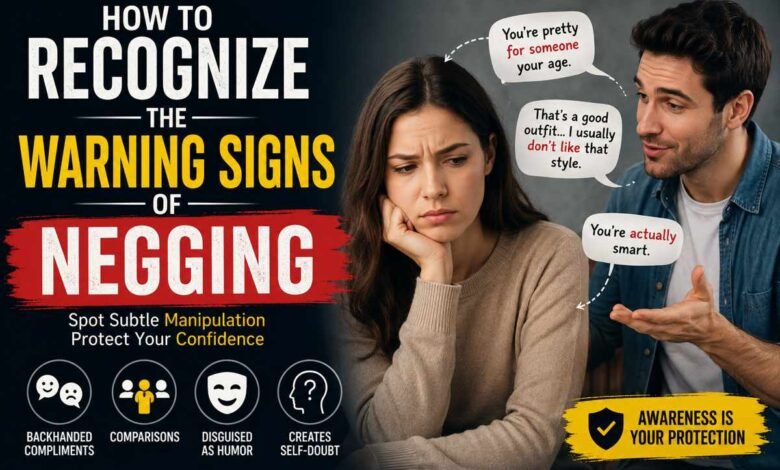
Many forms of manipulation are easy to spot because they involve obvious insults, threats, or controlling behavior. Others are far more subtle and can be difficult to recognize, especially when they are disguised as humor, honesty, or flirtation. One example is negging, a communication tactic that often leaves the target feeling confused, self-conscious, or eager to seek approval from the person using it.
Because this behavior can appear harmless on the surface, many people fail to recognize it until it has already affected their confidence. Learning how it works can help individuals build healthier relationships, maintain stronger boundaries, and avoid becoming trapped in unhealthy social dynamics.
Table of Contents
ToggleWhat Is Negging?
Negging refers to a backhanded compliment, subtle insult, or critical remark designed to undermine another person’s confidence. Instead of openly criticizing someone, the speaker delivers a comment that sounds playful, helpful, or complimentary while carrying a negative message underneath.
For example, a person might say, “You’re actually pretty smart for someone your age,” or “That outfit looks great on you—I usually don’t like that style.” The statement may sound positive at first, but it contains an element intended to create doubt or insecurity.
The goal is often to gain a psychological advantage by making the other person seek validation or approval from the speaker.
Why People Use This Tactic
People may use this behavior for different reasons. In some cases, it stems from insecurity and a desire to feel superior. By lowering someone else’s confidence, they may temporarily boost their own sense of importance.
Others use it as a deliberate manipulation strategy. They believe that making someone feel slightly insecure will increase their chances of gaining attention, influence, or control within a relationship.
Regardless of the motivation, the effect can be harmful because it creates an unhealthy power imbalance. Relationships tend to thrive on mutual respect, while manipulation erodes trust and emotional safety.
The Difference Between Constructive Feedback and Negging
Constructive feedback aims to help someone improve. It is respectful, specific, and focused on behavior rather than personal worth. The intention is growth, not control.
In contrast, negging is usually vague, unnecessary, or disguised as a joke. The purpose is not to help but to create uncertainty. Rather than offering useful guidance, it often targets appearance, intelligence, personality, or social status.
For example, saying, “Your presentation would be stronger with more examples,” is constructive feedback. Saying, “I didn’t expect someone like you to give a decent presentation,” serves no helpful purpose and may be intended to diminish confidence.
Common Signs to Watch For
Backhanded Compliments
One of the most recognizable signs is a compliment paired with criticism. The positive statement is immediately weakened by a negative remark.
Examples include comments such as, “You look good today compared to usual,” or “You’re surprisingly talented.”
These remarks can leave people feeling uncertain about whether they were praised or insulted.
Frequent Comparisons
Manipulative individuals often compare others to friends, coworkers, former partners, or strangers. These comparisons may subtly suggest that the target falls short in some way.
Repeated comparisons can gradually affect self-esteem and create pressure to earn approval.
Insults Disguised as Humor
Some people hide criticism behind jokes and then dismiss concerns by claiming they were “just kidding.” If a person regularly makes hurtful comments and avoids accountability by calling them jokes, it may be a warning sign.
Healthy humor should make people feel included rather than belittled.
Creating Self-Doubt
Another characteristic of negging is its ability to make someone question their own value. The comments are often designed to leave the target wondering whether they are attractive, capable, intelligent, or worthy of respect.
Over time, this uncertainty can make people more vulnerable to manipulation.
How Negging Affects Self-Esteem
Repeated exposure to subtle criticism can have a significant psychological impact. Even when people consciously recognize a comment as inappropriate, the message may still influence how they feel about themselves.
Self-esteem often develops through repeated experiences and feedback. When someone regularly receives mixed messages that combine praise with criticism, they may begin to doubt their abilities or appearance.
This effect can be especially strong in romantic relationships, friendships, or workplaces where ongoing interaction occurs.
The Role of Power and Control
At its core, negging often revolves around influence. By creating insecurity, the manipulator positions themselves as the source of validation.
The target may start working harder to earn approval, avoid criticism, or prove their worth. This shifts attention away from whether the relationship is healthy and toward gaining acceptance from the person delivering the comments.
Healthy relationships do not require one person to feel small so the other can feel important.
Situations Where Negging Commonly Appears
Dating and Romantic Relationships
The tactic is frequently discussed in dating contexts because some people mistakenly believe it increases attraction. Rather than building genuine connection, however, it often damages trust and emotional well-being.
Healthy attraction develops through authenticity, respect, and mutual appreciation.
Friendships
Manipulative behavior can also appear among friends. A friend who constantly undermines achievements, appearance, or personal choices may be using subtle criticism to maintain social dominance.
True friendship involves encouragement and support rather than repeated attempts to lower confidence.
Workplace Environments
In professional settings, subtle put-downs can sometimes be used to establish authority or competition. A coworker might minimize another person’s accomplishments while pretending to offer praise.
Recognizing these behaviors can help individuals maintain confidence and professionalism.
How to Respond Effectively
Stay Calm and Objective
The first step is recognizing the comment for what it is. Instead of reacting emotionally, take a moment to assess the statement objectively.
Understanding the tactic reduces its ability to affect your confidence.
Ask for Clarification
Requesting clarification can shift attention back to the speaker. For example, asking, “What do you mean by that?” often encourages them to explain the remark more directly.
Many manipulative comments lose their power when examined openly.
Set Clear Boundaries
Boundaries communicate what behavior is acceptable. If a comment feels disrespectful, calmly state that you do not appreciate being spoken to in that way.
Healthy individuals generally respect reasonable boundaries.
Trust Your Feelings
If interactions consistently leave you feeling diminished, anxious, or inadequate, pay attention to those emotions. While a single awkward comment may not indicate a pattern, repeated incidents deserve consideration.
Your emotional response can provide valuable information about the health of a relationship.
Building Resistance to Manipulation
Strong self-esteem is one of the best defenses against manipulation. People who have confidence in their abilities and worth are generally less dependent on external validation.
Developing self-awareness, maintaining supportive relationships, and focusing on personal growth can make it easier to recognize unhealthy behavior when it occurs.
It is also helpful to surround yourself with individuals who offer honest feedback respectfully. Positive relationships reinforce confidence without relying on criticism or control.
When It May Be Time to Distance Yourself
Not every situation can be resolved through communication. If someone repeatedly uses negging despite being asked to stop, it may indicate a deeper pattern of disrespect.
Relationships should contribute positively to emotional well-being. When interactions consistently undermine confidence or create stress, creating distance may be the healthiest option.
Protecting mental and emotional health is an important part of maintaining healthy boundaries.
Conclusion
Negging is a subtle form of manipulation that often hides behind humor, compliments, or casual conversation. While it may appear harmless at first, repeated exposure can damage self-esteem, create self-doubt, and contribute to unhealthy relationship dynamics.
Recognizing the warning signs is the first step toward protecting yourself from manipulation. By understanding how this behavior works, setting clear boundaries, and maintaining confidence in your own worth, you can build stronger and healthier connections based on respect rather than control.
FAQs
1. What is negging?
Negging is a communication tactic that uses backhanded compliments or subtle insults to undermine someone’s confidence.
2. Is negging always intentional?
Not always. Some people may use similar comments without realizing their impact, while others use them deliberately.
3. Can negging happen in friendships?
Yes. It can occur in friendships, romantic relationships, workplaces, and social groups.
4. How do I respond to negging?
Stay calm, ask for clarification, set boundaries, and avoid seeking approval from the person making the comments.
5. Why is negging harmful?
It can reduce self-esteem, create self-doubt, and contribute to unhealthy power dynamics in relationships.
More Details : BacktoFrontShow: An Advanced Podcast Intelligence Solution for Audience Insights and Sustainable Growth