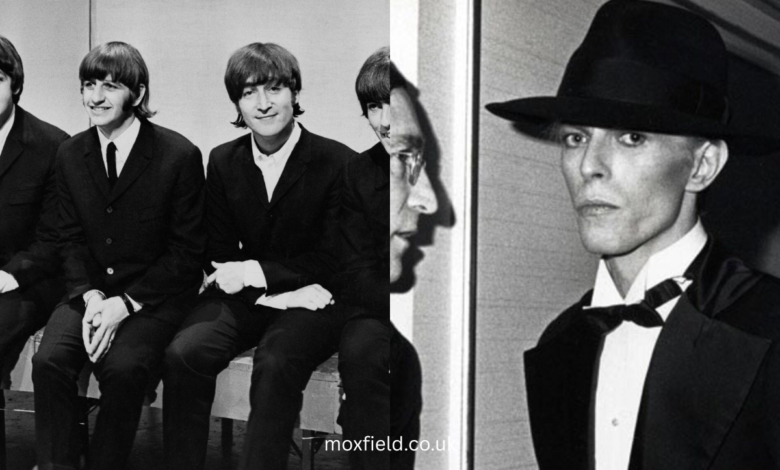
David Bowie and The Beatles remain among the most influential names in music history. Although they emerged in different stages of popular culture, their creative paths intersected through inspiration, collaboration, and a shared commitment to artistic change. Their music reached audiences across generations and helped reshape how people think about albums, performance, identity, and sound.
The connection between Bowie and The Beatles was never based on competition. Instead, it grew through admiration and moments of creative exchange that linked two different eras of British music. Their influence still appears in modern pop culture, making their story one of the most fascinating connections in entertainment.
Quick Bio
| Detail | Information |
|---|---|
| Full Name | David Robert Jones |
| Popular Name | David Bowie |
| Birth Date | January 8, 1947 |
| Age | 69 Years (at the time of passing) |
| Birthplace | London, England |
| Nationality | British |
| Height | Approx. 5 ft 10 in (178 cm) |
| Family | Parents, siblings, wife, and children |
| Marital Status | Married |
| Children | 2 |
| Estimated Net Worth | Commonly estimated in hundreds of millions (estate value estimates vary) |
| Profession | Singer, Songwriter, Actor |
| Social Presence | Official legacy platforms and archives |
The Musical Era That Connected Them
The Beatles transformed popular music during the 1960s and became a worldwide cultural force. Through their evolving sound and approach to songwriting, they showed that artists could continuously grow without losing public attention. Their albums introduced new possibilities that inspired countless musicians who followed.
David Bowie began developing his own artistic voice while watching these changes unfold. As music became more experimental, Bowie embraced the idea that reinvention could become part of an artist’s identity. This mindset later became one of the defining characteristics of his career.
David Bowie’s Background and Public Image
David Bowie was born as David Robert Jones on January 8, 1947, in London, England. He became known not only for music but also for creating unforgettable visual identities throughout his career. Standing around 5 feet 10 inches tall with a distinctive appearance, Bowie developed an image that became instantly recognizable around the world.
His family life remained an important part of his personal story. Bowie’s parents supported his early interests, while influences from close relatives contributed to his creative outlook. In later years, he built a quieter life centered around family while continuing to maintain his reputation as one of music’s most original figures.
Why The Beatles Influenced Bowie
The Beatles represented artistic freedom at a time when popular music was rapidly changing. Their willingness to experiment encouraged younger musicians to think beyond traditional formats and explore broader creative possibilities. Their impact reached far beyond charts and commercial success.
Bowie admired this approach and built his own career around constant transformation. Rather than remaining connected to one style, he moved through multiple musical periods and developed unique artistic identities. That willingness to evolve became one of the strongest similarities between Bowie and The Beatles.
The Collaboration With John Lennon
The strongest direct connection between Bowie and The Beatles came through John Lennon. Their relationship developed during the 1970s when both artists had already established themselves as major figures in music. Their conversations extended beyond songwriting and included ideas about fame, creativity, and public identity.
Their collaboration eventually produced one of Bowie’s most successful periods. Lennon’s presence during recording sessions helped create an atmosphere that encouraged experimentation and resulted in music that became an important part of Bowie’s legacy.
Across the Universe and the Birth of Fame
One memorable connection between Bowie and The Beatles appeared through Bowie’s recording of “Across the Universe.” The sessions created an opportunity for collaboration and artistic exchange between Bowie and Lennon, creating a unique meeting point between their musical worlds.
That creative energy later contributed to the creation of “Fame,” which became Bowie’s first number-one hit in the United States. The song remains one of the clearest examples of how their artistic styles connected and produced something memorable.
Shared Creativity and Reinvention
Both David Bowie and The Beatles understood that change could strengthen creativity. The Beatles evolved from early pop success into increasingly ambitious musical projects, while Bowie transformed his image and sound repeatedly throughout his career.
Their ability to reinvent themselves became one of the reasons they remained culturally important for decades. Audiences connected with their willingness to experiment and move into new directions without repeating past success.
Family, Lifestyle, and Personal Legacy
David Bowie’s personal life became more private as his career matured. He married twice and became a father while balancing international fame with family life. His later years reflected a quieter lifestyle compared with the dramatic public image associated with earlier stages of his career.
Financially, Bowie built substantial success through recordings, touring, publishing rights, and long-term creative projects. His legacy continues through his music catalog and influence across fashion, performance, and visual culture.
Physical Appearance and Cultural Identity
David Bowie became known for turning appearance into artistic expression. His stage personas introduced bold fashion choices and distinctive visual concepts that influenced later generations of performers. His recognizable features became part of his global identity.
The Beatles also changed expectations around style and presentation. Their changing appearance reflected broader cultural movements and showed that visual identity could become part of musical storytelling.
Public Presence and Modern Recognition
Although Bowie passed away in 2016 at the age of 69, his presence remains strong through official platforms, archives, and continued interest in his work. His influence appears across music, fashion, film, and popular culture.
The Beatles continue to attract audiences worldwide through their recordings and enduring cultural impact. Together, Bowie and The Beatles represent different creative journeys connected by innovation, ambition, and a lasting influence on modern music.
Conclusion
The connection between David Bowie and The Beatles extends beyond shared history. Their relationship reflects how influence moves between generations and how creativity continues evolving through new voices and new ideas.
Whether through admiration, collaboration, or artistic parallels, Bowie and The Beatles remain connected as two defining forces that changed music and left a legacy that continues to inspire audiences around the world.
FAQs
Did David Bowie ever collaborate with The Beatles?
David Bowie never recorded as part of The Beatles, but he worked directly with John Lennon. Their collaboration became one of Bowie’s most memorable musical moments and helped produce one of his biggest hits.
Why are David Bowie and The Beatles often connected?
They are connected because both changed the direction of modern music through experimentation, creativity, and artistic reinvention. Bowie also openly admired the impact The Beatles had on popular culture.
What song linked David Bowie and John Lennon?
The strongest musical connection came through “Fame,” which included creative contributions from John Lennon and became an important release in Bowie’s career.
Did The Beatles influence David Bowie’s style?
The Beatles influenced many artists of Bowie’s generation by showing that musicians could constantly evolve. Bowie later developed his own distinctive identity while embracing artistic change.
Is David Bowie’s legacy still popular today?
Yes. David Bowie remains one of the most influential artists in music history, and his work continues reaching new audiences through streaming, archives, and cultural influence.