Is Santa Real? A Parent’s Honest Guide to the Story, History, and Meaning of Santa Claus

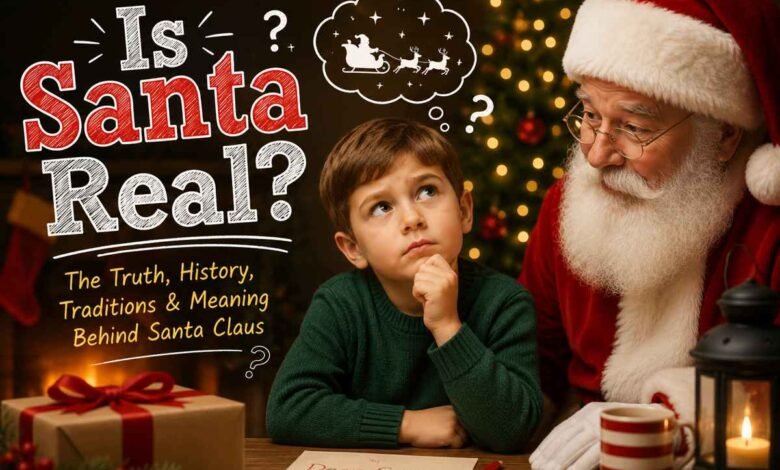
Every year, millions of children ask the same question: Is Santa Real? It is one of the most common holiday questions, and it often catches parents by surprise. One day, children happily write letters to Santa and leave cookies by the fireplace. The next day, they start asking thoughtful questions about how Santa travels around the world in a single night or how he manages to visit every home.
This question is about much more than Christmas presents. It reflects a child’s growing curiosity, critical thinking, and desire to understand the world. For parents, it can be an opportunity to discuss history, traditions, kindness, and the true spirit of the holiday season.
Understanding the story behind Santa Claus can help families answer this question in a meaningful way while preserving the joy and wonder that make Christmas special.
Table of Contents
ToggleWhy Do Children Ask If Santa Is Real?
Children are naturally curious. As they grow older, they begin to notice details that may not seem logical. They compare stories with friends, hear different opinions at school, and start looking for evidence behind what they believe.
A young child may fully accept the idea of a magical visitor who delivers gifts. However, as reasoning skills develop, questions become more detailed. They may wonder how reindeer can fly, how Santa enters homes without chimneys, or why gift tags sometimes look like their parents’ handwriting.
These questions are a normal part of development. They show that a child is learning to think critically and explore the difference between imagination and reality.
The Real History Behind Santa Claus
To properly answer the question Is Santa Real, it is important to understand where the legend began.
The story starts with Saint Nicholas, a Christian bishop who lived during the fourth century in the city of Myra, located in present-day Turkey. Saint Nicholas became famous for helping poor families and secretly providing gifts to those in need.
One of the most well-known stories tells of Saint Nicholas leaving money for a struggling family so their daughters could have a better future. These acts of generosity earned him a reputation as a protector of children and a symbol of kindness.
Historical records confirm that Saint Nicholas was a real person. Over time, stories about his generosity spread throughout Europe, eventually becoming part of Christmas traditions in many countries.
How Saint Nicholas Became Santa Claus
The Santa Claus known today did not appear overnight. His image evolved through centuries of storytelling and cultural traditions.
Dutch settlers brought the tradition of “Sinterklaas” to North America. The name gradually changed into “Santa Claus” as different cultures influenced the story.
In the 1800s, poems and books helped shape the modern image of Santa. Writers described him as a cheerful figure who traveled in a sleigh pulled by reindeer and delivered gifts to children during Christmas.
Artists later created illustrations showing Santa as a friendly older man with a white beard and a red suit. These images became widely popular and eventually formed the version recognized around the world today.
Is Santa Real in a Historical Sense?
When people ask Is Santa Real, they are often talking about the magical character associated with Christmas.
From a historical perspective, the answer is yes and no. Saint Nicholas, the person who inspired Santa Claus, was a real historical figure. However, there is no evidence that a magical man lives at the North Pole and delivers gifts to every child on Christmas Eve.
The modern Santa is best understood as a tradition inspired by real history. His story combines historical facts, folklore, imagination, and holiday customs that have been passed down for generations.
Why the Santa Tradition Continues
Many holiday traditions survive because they bring families together. Santa Claus remains popular because he represents excitement, generosity, and joy.
Children enjoy writing letters to Santa, making wish lists, and imagining magical adventures. These activities create special memories that often last a lifetime.
Parents and grandparents also enjoy seeing the excitement that comes with holiday traditions. For many families, Santa becomes part of their shared Christmas experience and helps strengthen family bonds.
The tradition continues not because people necessarily believe every detail is true, but because it adds meaning and wonder to the holiday season.
What Santa Symbolizes
Santa Claus is often viewed as more than just a character. He represents values that many people consider important.
Generosity
The story of Santa encourages giving without expecting anything in return. This idea comes directly from the example set by Saint Nicholas centuries ago.
Kindness
Santa is associated with helping others, showing compassion, and spreading happiness. These values remain relevant throughout the year, not just during Christmas.
Hope
The excitement surrounding Santa often inspires optimism and joy. Children look forward to Christmas with a sense of wonder and anticipation.
Community
Many holiday traditions encourage families and communities to come together, celebrate, and support one another.
The Role of Imagination in Childhood
Childhood is a time when imagination plays an important role in learning and development. Stories help children explore ideas, solve problems, and understand emotions.
Believing in Santa is similar to enjoying fairy tales, superheroes, or other fictional characters. These stories encourage creativity and allow children to experience a sense of wonder.
Experts in child development often note that imaginative play contributes to emotional growth and problem-solving skills. Santa Claus becomes one of many stories that help children explore the world around them.
As children mature, they naturally begin distinguishing between fantasy and reality while still appreciating the value of imaginative traditions.
How Parents Can Answer the Question
There is no single correct response when a child asks whether Santa is real. Every family approaches the conversation differently.
Some parents choose to explain the historical origins of Santa Claus. Others focus on the values he represents rather than discussing whether he physically exists.
A helpful approach is to listen carefully to what the child is asking. Sometimes children are seeking facts, while other times they are looking for reassurance about a beloved tradition.
The conversation can become an opportunity to discuss generosity, kindness, and the meaning behind holiday celebrations rather than focusing solely on whether Santa is a real person.
Santa Traditions Around the World
The idea of Santa Claus exists in many forms across different cultures.
In some countries, Saint Nicholas Day is celebrated separately from Christmas. Other cultures have unique gift-giving figures who visit children during the holiday season.
For example, some European traditions feature characters inspired by Saint Nicholas, while other countries focus more heavily on family gatherings and religious celebrations.
These differences show how holiday customs evolve over time while maintaining similar themes of generosity and goodwill.
What Happens When Children Stop Believing?
Many parents worry about how children will react when they begin questioning Santa. In reality, most children handle the transition quite well.
As they grow older, they often gain a deeper understanding of the tradition. Rather than feeling disappointed, many appreciate the effort family members put into creating holiday memories.
Some children even enjoy becoming part of the tradition by helping younger siblings experience the same excitement they once felt.
This shift often marks an important stage of maturity, where children begin participating in acts of giving rather than simply receiving gifts.
The Lasting Legacy of Santa Claus
The story of Santa has survived for centuries because it speaks to universal values that people continue to appreciate.
The idea of helping others, showing kindness, and creating happiness remains meaningful regardless of age. These values connect directly to the real-life example of Saint Nicholas and explain why his legacy continues today.
While traditions may evolve, the message behind Santa remains remarkably consistent. It reminds people that generosity and compassion can have a lasting impact on others.
Conclusion
The question Is Santa Real does not have a simple answer. If we are talking about Saint Nicholas, the historical figure who inspired the tradition, then yes—he was absolutely real. If we are referring to the magical character who lives at the North Pole and delivers gifts worldwide in one night, that figure belongs to the world of holiday tradition and imagination.
What matters most is the meaning behind the story. Santa Claus represents generosity, kindness, hope, and the joy of giving. These values continue to inspire families around the world and are the reason the legend of Santa remains such an important part of Christmas celebrations today.
FAQs
1. Is Santa Real according to history?
Santa Claus is based on Saint Nicholas, a real historical bishop known for helping people in need.
2. When do children usually start questioning Santa?
Most children begin asking questions between the ages of 6 and 9 as their reasoning skills develop.
3. Why is Santa associated with Christmas?
Santa became linked to Christmas through centuries of traditions inspired by Saint Nicholas and holiday gift-giving customs.
4. Does believing in Santa affect child development?
Research suggests that imaginative traditions like Santa can support creativity, curiosity, and emotional development.
5. What is the main lesson behind Santa Claus?
The central message of Santa Claus is generosity, kindness, and helping others without expecting rewards in return.
More Details : Monica Lewinsky: From White House Intern to Public Advocate and Cultural Figure