Dojen Moe: Understanding the Blend of Doujin Creativity and Moe Culture in Modern Digital Communities

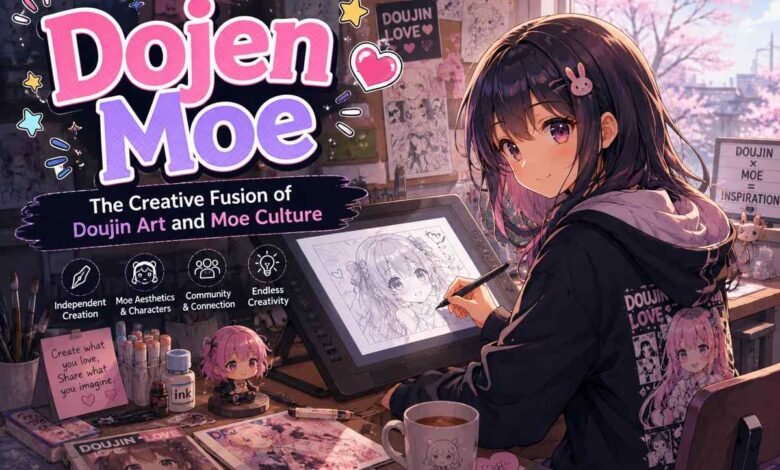
The term Dojen Moe has gained attention among fans of Japanese pop culture, digital illustration, independent publishing, and online creative communities. While the phrase may not have a single universally accepted definition, it is generally associated with the combination of two influential elements of Japanese fandom culture: doujin creativity and moe aesthetics. Together, these concepts represent a unique artistic movement that celebrates personal expression, character-driven storytelling, and fan-created content.
As digital platforms continue to connect artists and audiences worldwide, this creative style has expanded beyond Japan and become part of a broader global subculture. Understanding its origins, characteristics, and impact helps explain why it remains a fascinating topic for artists, collectors, and enthusiasts.
Table of Contents
ToggleThe Meaning Behind the Concept
To understand Dojen Moe, it is useful to examine the two cultural ideas that contribute to the term.
The word doujin traditionally refers to independently created works, including comics, illustrations, novels, games, and other media produced outside major commercial publishers. These projects are often created by individuals or small groups who want the freedom to explore original ideas or celebrate existing fictional worlds.
Meanwhile, moe is a term used within Japanese popular culture to describe a strong appreciation for fictional characters who evoke feelings of affection, admiration, or emotional connection. Moe-inspired designs often emphasize charming personalities, expressive features, and relatable traits.
When these concepts merge, they create a creative space where independent artists develop character-focused works that highlight emotional appeal, artistic detail, and imaginative storytelling.
Historical Development of Doujin Culture
The roots of independent fan publishing in Japan stretch back several decades. During the late twentieth century, creators began producing self-published magazines and comics that could be distributed directly to readers through conventions and specialty stores.
One of the most significant developments was the rise of large fan events where artists could showcase their work. These gatherings allowed creators to share ideas, receive feedback, and build communities around common interests.
As technology improved, independent publishing became more accessible. Desktop publishing software, digital illustration tools, and online marketplaces enabled creators to reach audiences without relying on traditional publishing channels. This environment provided fertile ground for artistic styles associated with character-centered creativity.
The Influence of Moe Aesthetics
Moe aesthetics have played an important role in shaping modern character design. Rather than focusing solely on visual appearance, the concept often emphasizes personality traits, emotional depth, and memorable character interactions.
Artists frequently use expressive eyes, distinctive clothing, and carefully crafted facial expressions to create characters that audiences can easily recognize and connect with. These design choices help establish emotional engagement and encourage fans to follow stories, illustrations, and related content.
The popularity of these artistic techniques has influenced animation, gaming, comics, merchandise, and digital media around the world. As a result, many creators incorporate moe-inspired elements into their independent projects.
Artistic Characteristics of Dojen Moe
One of the defining features of Dojen Moe is its emphasis on creativity without strict commercial limitations. Artists are free to experiment with visual styles, storytelling approaches, and character concepts.
Common characteristics include:
- Detailed character illustrations
- Strong emotional expression
- Unique costume designs
- Original world-building concepts
- Personal artistic interpretation
- Community-driven feedback and collaboration
Because independent creators are not always bound by corporate guidelines, they often explore innovative techniques that can later influence broader industry trends.
The Role of Digital Platforms
The internet has dramatically changed how creative works are shared and discovered. Social media platforms, online galleries, digital marketplaces, and fan communities allow artists to connect directly with audiences across different countries.
Digital distribution offers several advantages. Creators can publish work instantly, receive immediate feedback, and build loyal followings. Readers benefit from greater access to diverse content that may never appear through traditional publishing channels.
These technological developments have expanded the reach of independent character-based art and helped communities grow beyond geographic boundaries.
Community and Fan Participation
A major reason for the continued popularity of this creative movement is its strong sense of community. Artists and fans often interact closely through conventions, online forums, livestreams, and social networking platforms.
Unlike many forms of mainstream entertainment, independent creative communities encourage participation. Fans may contribute artwork, discussions, reviews, translations, or collaborative projects. This active involvement helps strengthen connections between creators and audiences.
The community-driven nature of the culture also promotes learning. New artists frequently improve their skills through feedback, tutorials, and mentorship from more experienced creators.
Creative Freedom and Innovation
Independent artistic spaces have historically served as laboratories for innovation. Without significant commercial pressure, creators can experiment with unconventional ideas and artistic approaches.
This freedom allows artists to:
- Develop unique visual identities
- Explore original storytelling concepts
- Test new illustration techniques
- Create niche content for specific audiences
- Build distinctive fictional worlds
Many successful professional artists began their careers in independent creative circles, using these environments to refine their skills before entering larger industries.
Global Expansion and Cultural Influence
Although the origins of this artistic style are closely connected to Japanese popular culture, its influence has become increasingly international. Artists from North America, Europe, Southeast Asia, and other regions now participate in similar creative communities.
International conventions, online marketplaces, and multilingual platforms have helped spread artistic techniques and cultural ideas worldwide. Today, creators regularly collaborate across countries, combining different artistic traditions and perspectives.
This global exchange has enriched the creative landscape and introduced new audiences to independent illustration and character design.
Challenges Faced by Independent Creators
Despite the opportunities available through digital platforms, independent artists also face several challenges. Competition is intense, and creators must often balance artistic passion with practical concerns such as time management, marketing, and financial sustainability.
Other common challenges include:
- Content visibility in crowded online spaces
- Copyright and intellectual property concerns
- Platform algorithm changes
- Maintaining consistent audience engagement
- Managing production costs
Successful creators often combine artistic talent with strong communication skills and strategic community building.
The Future of Dojen Moe
The future of Dojen Moe appears closely connected to technological advancement and evolving online communities. Emerging tools such as improved digital illustration software, virtual events, interactive publishing platforms, and global distribution networks continue to expand opportunities for creators.
As audiences seek more personalized and authentic creative experiences, independent artists may become even more influential in shaping visual culture. The combination of artistic freedom, emotional storytelling, and direct audience interaction remains a powerful foundation for future growth.
Many experts believe that community-driven creativity will continue to thrive because it offers something unique: a space where artistic passion and personal expression can flourish without many of the limitations found in traditional publishing models.
Why the Concept Remains Relevant Today
The continued relevance of this creative movement lies in its ability to adapt. It embraces new technologies while preserving the spirit of independent expression that made it popular in the first place.
Audiences appreciate original artwork, relatable characters, and genuine creative voices. Artists value the opportunity to share their ideas directly with people who understand and support their work. This mutually beneficial relationship has helped sustain interest across multiple generations of fans.
As digital culture continues to evolve, independent character-focused creativity remains an important part of the broader artistic landscape.
Conclusion
Dojen Moe represents an interesting intersection of independent publishing traditions and character-centered artistic expression. By combining creative freedom with emotionally engaging design, it has become a meaningful part of modern digital culture.
Its influence can be seen in online art communities, conventions, gaming culture, illustration trends, and fan-driven creative projects around the world. As technology continues to make publishing and collaboration more accessible, the impact of this artistic movement is likely to grow even further.
For artists, fans, and researchers interested in contemporary digital subcultures, understanding this phenomenon provides valuable insight into how creativity, community, and technology come together in the modern era.
FAQs
1. What is Dojen Moe?
Dojen Moe generally refers to a creative style that combines independent doujin culture with moe-inspired character design and storytelling.
2. Is Dojen Moe only popular in Japan?
No. While it has roots in Japanese pop culture, artists and fans from many countries participate in related communities.
3. What makes this style unique?
Its focus on independent creativity, emotional character appeal, and strong community involvement distinguishes it from many mainstream productions.
4. How do artists share their work?
Creators commonly use social media platforms, digital marketplaces, online galleries, and fan conventions to reach audiences.
5. Why is Dojen Moe important in digital culture?
It highlights how independent artists can build communities, experiment with new ideas, and influence broader artistic trends through direct audience engagement.