Bow Glacier Falls: A Complete Guide to One of Banff’s Most Scenic Hikes

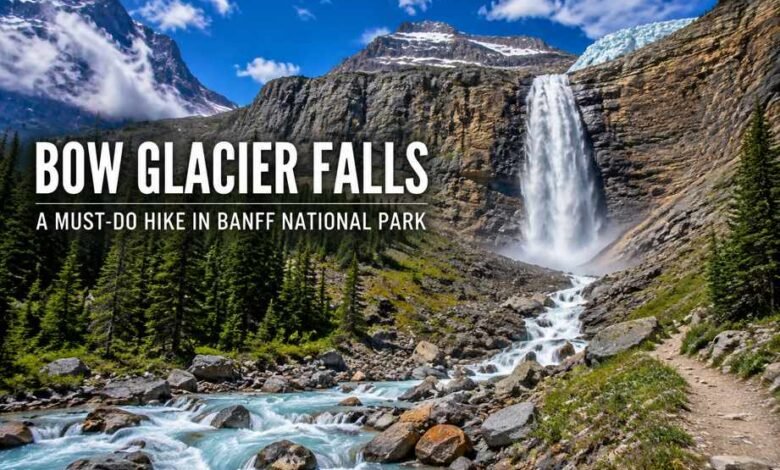
In the heart of Banff National Park, there’s a place where glacial water, ancient rock, and mountain silence come together in a powerful way. Bow Glacier Falls is not just a hiking destination—it’s a journey through some of the most visually striking terrain in the Canadian Rockies. The trail leading to the waterfall follows Bow Lake and then moves deeper into a rugged valley shaped by centuries of ice movement and meltwater flow. What makes this experience special is not only the final waterfall but the changing landscape along the entire route.
Table of Contents
ToggleLocation and How to Reach Bow Glacier Falls
Bow Glacier Falls is located along the Icefields Parkway, roughly halfway between Banff and Jasper in Alberta, Canada. The starting point is Bow Lake, one of the most iconic turquoise lakes in the region. Travelers can reach the trailhead by car, and there is a small parking area near the lodge by the lake.
Because the Icefields Parkway is a scenic highway, many visitors include this hike as part of a longer road trip. The accessibility of the trail makes it popular, but the surrounding wilderness still feels remote and untouched, especially once you move away from the roadside.
Geological Story Behind Bow Glacier Falls
The formation of Bow Glacier Falls is directly tied to the Bow Glacier itself. Thousands of years of glacial activity carved out the valley and shaped the steep cliffs surrounding the area. As the glacier slowly melts, its water travels through hidden channels and eventually drops over a rocky ledge, forming the waterfall.
This ongoing process means the waterfall is not fixed in behavior. Seasonal changes in temperature and snowfall affect the flow, making it stronger in early summer and gentler later in the season. The entire landscape is still evolving, which gives the hike a sense of natural movement and life.
Starting the Hike at Bow Lake
The journey to Bow Glacier Falls begins at the shore of Bow Lake. The first part of the trail is relatively gentle, following the shoreline with open views of the water and surrounding peaks. The lake itself reflects the mountains on calm days, creating one of the most photographed scenes in the Canadian Rockies.
As the trail continues, it gradually shifts away from the lake and becomes more rugged. Rocks, uneven terrain, and small elevation gains start to appear. This transition marks the beginning of the more adventurous part of the hike.
Trail Experience and What to Expect
The hike to Bow Glacier Falls is considered moderate in difficulty. It is not technically challenging, but it requires steady footing and basic endurance. The full round trip typically takes a few hours depending on pace and weather conditions.
One of the most noticeable aspects of the trail is how quickly the environment changes. Open lake views give way to narrow paths, glacial streams, and rocky sections. The sound of flowing water becomes more prominent as you approach the valley, building anticipation for the waterfall itself.
Natural Scenery Along the Route
The scenery leading to Bow Glacier Falls is often described as the highlight of the hike. The valley is surrounded by steep mountain walls, and in many sections, you can see waterfalls cascading from distant cliffs. The terrain is raw and untouched, with very little human development visible once you move deeper into the trail.
Wildlife sightings are also possible in this area, including mountain goats and marmots. The combination of alpine meadows, rocky slopes, and icy streams creates a constantly changing visual experience.
Reaching Bow Glacier Falls
The final approach to Bow Glacier Falls involves crossing rocky terrain and following the sound of rushing water. As you get closer, the waterfall becomes visible as it drops dramatically from a high cliff into a rocky basin below.
Standing near the base of the falls, you can feel the cool mist in the air, especially during peak melt season. The sound is powerful but calming at the same time, echoing through the valley walls. This moment is often the highlight of the entire hike, rewarding the effort it takes to reach this point.
Best Time to Visit Bow Glacier Falls
Timing plays an important role when visiting Bow Glacier Falls. The best period is typically from late June to early September when the trail is mostly snow-free and accessible. During early summer, the waterfall is at its strongest due to increased glacial melt.
Morning hours are often recommended for a more peaceful experience, as the trail can become busier later in the day. Weather conditions in the Rockies can change quickly, so visitors should always be prepared for sudden shifts in temperature or rain.
Safety Tips and Hiking Preparation
While Bow Glacier Falls is accessible to many hikers, proper preparation is important. The trail includes uneven surfaces and exposed areas where footing can be tricky. Wearing sturdy hiking shoes is highly recommended.
It’s also important to carry water, wear layered clothing, and be aware of wildlife activity in the region. Bears are present in Banff National Park, so following park guidelines and carrying bear spray is considered a responsible practice. Checking weather forecasts before starting the hike can also help avoid unexpected conditions.
Photography Opportunities on the Trail
For photography enthusiasts, Bow Glacier Falls offers multiple opportunities beyond the waterfall itself. Bow Lake provides mirror-like reflections of surrounding peaks, especially in the early morning light. Along the trail, glacial streams and rocky formations create natural leading lines that work well for landscape photography.
At the waterfall, long exposure shots are popular to capture the smooth motion of water against the rugged rock backdrop. The contrast between soft water flow and sharp mountain edges makes this location visually compelling.
Why Bow Glacier Falls Is Worth the Hike
What makes Bow Glacier Falls special is the balance between accessibility and wilderness. The trail is manageable for most hikers, yet the scenery feels deeply remote and untouched. Unlike shorter viewpoint stops, this hike offers a gradual immersion into the landscape, making the final destination feel earned rather than simply visited.
It is not just about seeing a waterfall—it is about experiencing a living glacial environment that continues to shape itself over time.
FAQs
1. How long is the hike to Bow Glacier Falls?
The round-trip hike is approximately 9 kilometers and usually takes 3 to 4 hours depending on pace and stops.
2. Is Bow Glacier Falls suitable for beginners?
Yes, the trail is considered moderate and suitable for beginners with basic fitness, though some rocky sections require care.
3. Can you visit Bow Glacier Falls year-round?
No, the trail is mainly accessible from late spring to early fall due to snow and unsafe winter conditions.
4. What should I bring for the hike?
Sturdy shoes, water, layered clothing, snacks, and bear spray are recommended for safety and comfort.
5. Is the waterfall always strong?
No, the flow of Bow Glacier Falls changes with seasons and is strongest during late spring and early summer due to glacier melt.