Kanibalismo Meaning: Understanding the History, Culture, and Context of Cannibalism

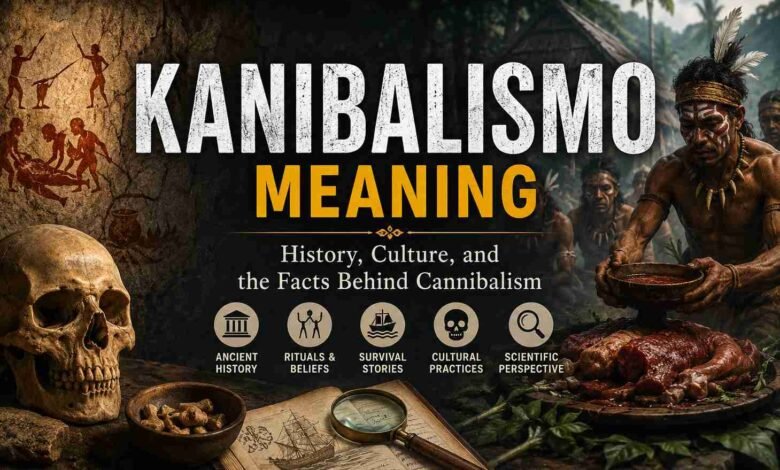
The term kanibalismo meaning refers to the practice of cannibalism, which is the act of a human being consuming the flesh or body parts of another human. The word has roots in historical accounts from explorers and writers who documented various cultures around the world. Over time, cannibalism became a topic studied by historians, anthropologists, archaeologists, and sociologists to better understand human behavior, survival, ritual practices, and cultural traditions.
Today, the subject is often misunderstood because popular media frequently portrays it in extreme or sensational ways. However, a deeper examination reveals that cannibalism has appeared in different societies for different reasons, ranging from survival situations to religious rituals and symbolic practices.
Table of Contents
ToggleWhat Does Kanibalismo Mean?
The kanibalismo meaning can be explained as the practice of eating human flesh by another human. The concept is commonly associated with the English term “cannibalism.” While the idea may seem shocking in modern society, historical evidence suggests that cannibalism has occurred in various parts of the world throughout human history.
Anthropologists generally classify cannibalism into different categories based on the motivation behind the act. Understanding these distinctions helps provide a more accurate and educational perspective on the subject rather than relying on myths or stereotypes.
The Origin of the Word
The word “cannibal” is believed to have originated from the term “Carib,” which referred to Indigenous peoples encountered by Christopher Columbus during his voyages in the Caribbean. Historical records indicate that European explorers used variations of the word when describing groups they believed practiced cannibalism.
Over time, the term entered several languages and evolved into words such as “kanibalismo” in some linguistic traditions. Today, the word is primarily used in academic discussions, historical research, and cultural studies.
Cannibalism in Ancient History
Evidence of cannibalism has been discovered in archaeological sites dating back thousands of years. Researchers have found human bones bearing cut marks and other signs that suggest processing for consumption. These discoveries indicate that cannibalism may have existed among prehistoric communities.
In some ancient societies, the practice was linked to ritual activities rather than hunger. Certain groups believed consuming parts of a deceased individual could transfer strength, wisdom, or spiritual power. These beliefs varied greatly depending on cultural and religious traditions.
Survival Cannibalism Throughout History
One of the most widely documented forms associated with the kanibalismo meaning is survival cannibalism. This occurs when people resort to consuming human flesh during extreme emergencies where no other food source is available.
History records several cases involving shipwrecks, natural disasters, and isolated expeditions. In such situations, individuals faced life-threatening conditions and made difficult choices to stay alive. These events are often studied as examples of human survival under extraordinary circumstances rather than cultural practices.
Survival cannibalism differs significantly from ritual or symbolic forms because it is driven by necessity rather than tradition or belief.
Ritual Cannibalism in Different Cultures
Some cultures historically practiced ritual cannibalism as part of religious or ceremonial traditions. Anthropologists have documented examples where the act held symbolic meaning rather than serving as a source of nutrition.
In certain societies, consuming a small portion of a deceased relative was considered a way of honoring the dead and maintaining a spiritual connection with ancestors. These customs reflected local beliefs about life, death, and the afterlife.
Modern researchers emphasize the importance of understanding these practices within their cultural context rather than judging them solely through contemporary standards.
Endocannibalism and Exocannibalism
When studying the kanibalismo meaning, scholars often discuss two important categories: endocannibalism and exocannibalism.
Endocannibalism refers to the consumption of members of one’s own social group, often during funerary rituals. The practice was sometimes viewed as a sign of respect and remembrance.
Exocannibalism involves consuming individuals from outside one’s community, such as enemies captured during conflicts. In some historical societies, this practice symbolized victory, power, or domination over opponents.
These categories help researchers understand the social and cultural motivations behind different forms of cannibalism.
The Role of Anthropology in Understanding Cannibalism
Anthropology plays a major role in examining the historical and cultural aspects of cannibalism. Researchers study written records, oral traditions, archaeological findings, and ethnographic reports to build a clearer picture of how and why these practices occurred.
Many early accounts of cannibalism came from explorers and colonizers. However, modern scholars carefully evaluate these reports because some descriptions may have been exaggerated, misunderstood, or influenced by political motives.
As a result, anthropological research focuses on evidence-based analysis rather than assumptions or sensational stories.
Cannibalism in Religion and Spiritual Beliefs
Throughout history, some religious traditions have included symbolic ideas related to consumption and spiritual transformation. In a few cultures, cannibalistic rituals were believed to create a connection between the living and the dead.
These practices were often deeply tied to local cosmologies and spiritual systems. Participants did not necessarily view the act as violent or immoral; instead, they considered it part of a sacred tradition.
Understanding these beliefs provides insight into the diversity of human cultures and the different ways societies interpret life and death.
Medical and Scientific Perspectives
From a scientific perspective, consuming human tissue can pose significant health risks. Researchers have identified diseases that may spread through the consumption of infected human organs or tissues.
One well-known example involves a neurological disease called kuru, which was documented among certain communities in Papua New Guinea. Scientists discovered that the disease was linked to specific funerary practices involving the consumption of human brain tissue.
This finding contributed to a broader understanding of how certain diseases can be transmitted and highlighted the medical dangers associated with cannibalism.
Cannibalism in Popular Culture
Movies, television shows, books, and online media often portray cannibalism as a horror-related topic. These portrayals tend to focus on criminal behavior, fictional monsters, or extreme psychological conditions.
While such stories attract public attention, they do not always reflect the historical realities behind the kanibalismo meaning. In many cases, popular culture simplifies a complex subject and ignores the social, cultural, and historical factors that researchers study.
For this reason, educational sources remain important for anyone seeking accurate information.
Modern Legal and Ethical Views
In contemporary society, cannibalism is widely condemned from both ethical and social perspectives. Most countries have laws addressing related actions such as homicide, abuse of human remains, and public health violations.
Modern ethical systems emphasize human dignity, bodily integrity, and respect for the deceased. These principles influence how societies respond to discussions about cannibalism today.
Although historical examples exist, the practice is generally viewed as incompatible with current legal and moral standards.
Why Understanding Kanibalismo Meaning Matters
Learning about the kanibalismo meaning is valuable because it provides insight into human history, cultural diversity, and survival behavior. Rather than viewing the topic solely through the lens of fear or sensationalism, it can be approached as a subject of academic study.
Examining historical evidence helps researchers understand how different societies adapted to their environments, developed spiritual beliefs, and responded to extreme circumstances. It also demonstrates the importance of analyzing cultural practices within their historical context.
A balanced understanding encourages critical thinking and promotes a more informed perspective on one of humanity’s most controversial topics.
Conclusion
The kanibalismo meaning extends far beyond the simple definition of cannibalism. It encompasses a wide range of historical, cultural, ritualistic, and survival-related practices that have appeared in different societies throughout human history. Archaeological discoveries, anthropological research, and historical records reveal that the motivations behind cannibalism have varied significantly across time and place.
While modern society largely rejects the practice, studying it remains important for understanding human behavior, cultural traditions, and historical development. By exploring the topic through reliable research and factual evidence, readers can gain a deeper appreciation of the complex realities behind a subject that is often misunderstood.
FAQs
1. What is the meaning of kanibalismo?
Kanibalismo refers to cannibalism, the act of a human consuming the flesh or body parts of another human.
2. Did cannibalism exist in ancient societies?
Yes, archaeological evidence suggests that some ancient societies practiced cannibalism for various reasons.
3. What is survival cannibalism?
Survival cannibalism occurs during extreme situations when people have no other available food source.
4. What is the difference between endocannibalism and exocannibalism?
Endocannibalism involves consuming members of one’s own group, while exocannibalism involves consuming outsiders or enemies.
5. Is cannibalism legal today?
In most modern societies, actions related to cannibalism are prohibited through laws concerning human remains, public health, and criminal conduct.
More Details : Disney Wordle: The Ultimate Guide for Disney Fans Who Love Word Games